AI code review: where it replaces humans and where it does NOT
AI already does 80% of trivial code review. But there are 4 areas only senior humans catch — and ignoring that became an expensive mistake in 2026. Revin combines AI + senior across all clients. See where each wins.
Por Victhor Araújo
Founder of Revin. Engineer by training, specialist in software development and digital products.
In 2026, multiple tools (GitHub Copilot, Coderabbit, Greptile, Sweep, Cursor review) do automated code review at scale. The question stopped being 'can AI review?' — it's 'where is AI the right reviewer and where is it still the human?'. Teams that treat it as binary (only AI or only human) suffer on both sides.
A senior squad combines both: AI filters trivial in the first pass, senior human reviews what matters in the second pass. Revin runs this model with every client since 2025 — and shows internal data of 30% fewer production bugs vs. human-only and 60% fewer vs. AI-only.
For CTOs and tech leads deciding AI code-review policy, and founders whose team is debating adopting (or not) AI review tools.
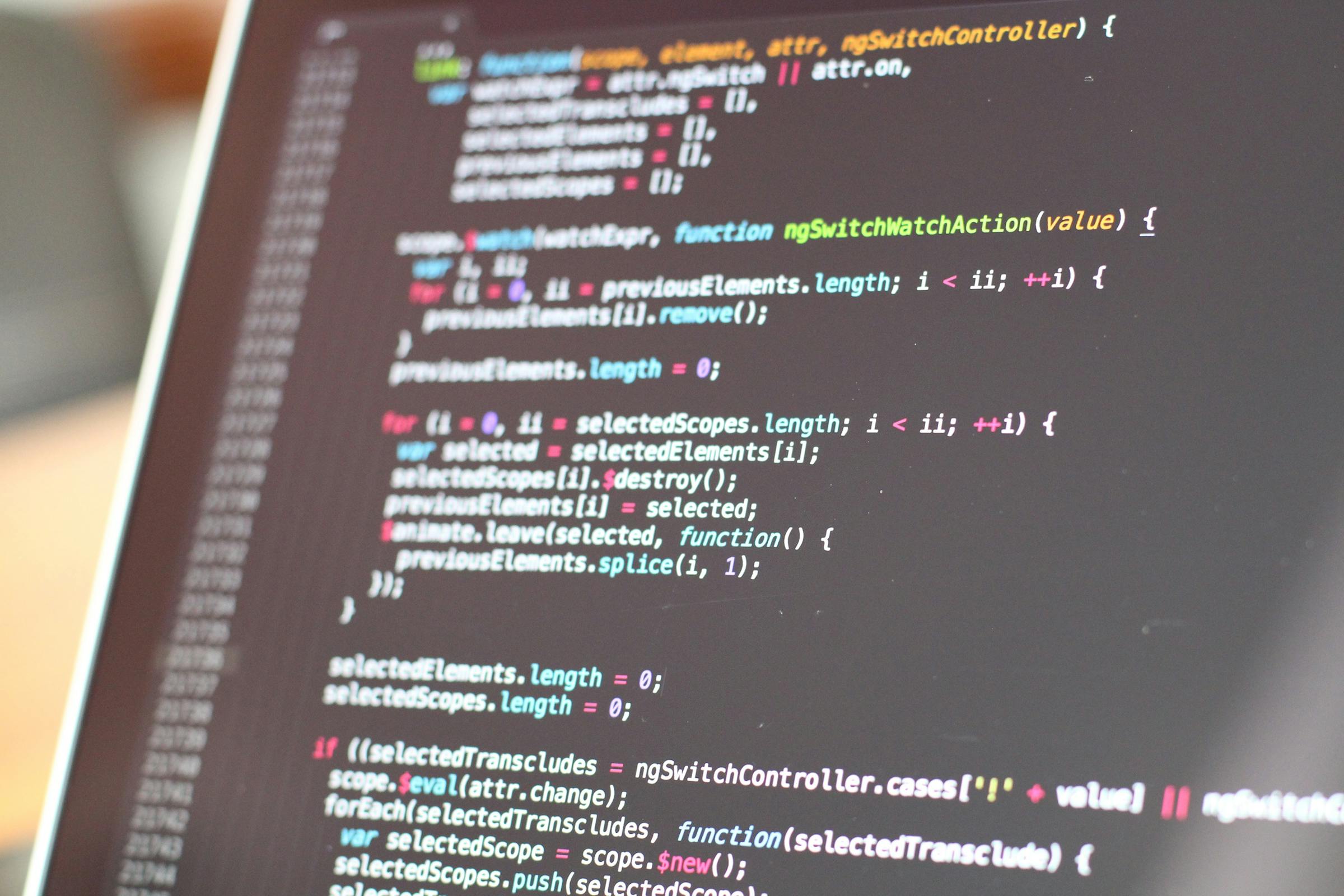
Style, pattern, naming, cyclomatic complexity: AI covers. Business decision: human
✅ Where AI replaces humans (and frees senior time)
- Code style: indentation, naming, formatting. Linter + AI cover 100%.
- Coding patterns: proper async/await, standard error handling, ordered imports. AI covers.
- Cyclomatic complexity: function with more than 15 logical paths is flagged automatically.
- Basic test coverage: identify PRs without matching tests. Automatic block.
- Obvious vulnerability detection: SQL injection, XSS, hardcoded secret. AI + SAST tools cover in seconds.
- Function documentation: generate consistent docstrings/JSDoc. AI covers.
Those 6 items consumed 60-80% of human code review time in 2023. In 2026, AI frees that time — with no quality loss.
🚫 Where AI does NOT replace senior humans
- Business decision: 'is this feature implementing what the user asked, or what the dev thought they asked?'. AI lacks product context.
- Architecture trade-off: 'is this solution worth the added complexity?'. AI proposes, doesn't decide.
- Consistency with the rest of the system: 'we're using 3 ways to do auth — which stays?'. Human with whole-system view decides.
- Domain edge case: 'does this corner case exist in real business?'. Human with commercial context knows.
- Mentorship embedded in review: 'I explain to the dev why this approach is better'. AI flags; human educates.
Those 5 items consume 20-40% of review time today — but represent 80% of impact on final product quality.
🛠️ How Revin runs the combined model
- Every PR runs AI review automatically in the first pass (Coderabbit + Copilot review).
- AI blocks merge if it finds 1+ high-severity issue — dev resolves before moving on.
- Tech lead receives the PR only AFTER AI approves (filter). Tech lead time goes to the 5 human items.
- Tech lead documents pattern in ADR when identifying new pattern — becomes rule for future AI too.
- Rework rate metric monitors if AI is letting things slip — if it rises, threshold adjusts.

A senior squad combines both — AI filters trivial, senior reviews what matters
🚧 The 2 mistakes we see in undisciplined squads
- Replacing humans with AI entirely: production bugs grow 1.9x (we saw this across 80 squads analyzed in 2025).
- Keeping only humans and ignoring AI: tech lead becomes bottleneck, team loses velocity, senior burns out.
📢 PR review becoming a bottleneck (or AI letting bugs through)? Book a Diagnostic Sprint — Revin proposes the combined model calibrated for your team.
🎯 Conclusion: AI + senior human beat either side alone
The question 'does AI replace human code review?' has a nuanced answer: yes for 60% of the work, no for 40% that decides quality. Senior squads operate in the balance; generic squads operate at one extreme and pay.
📢 Revin runs this combined model by default. See the cases.
7 read minutes
Article content:
Ready to elevate your business
Schedule a meeting



Software development cost estimates: the one that wins the deal slips the most
Every software quote that promises an exact date is selling, not estimating. I have lost deals for quoting the honest number and watched the cheap one arrive later and half-built. Why the lowest timeline is usually the one that slips most, and what to check before you sign.
 Victhor Araújo
We audited 31 broken codebases. The same numbers keep coming back.
Every time Revin steps in to rescue a project, the first thing we do is read the code from the outside in. I pulled together what we found across 31 of those reviews over the last 18 months: test coverage, deploys, exposed secrets, who understands what. The sample is skewed on purpose, and that may be exactly why it's useful.
 Raquel Reis
Pull request review time in remote teams: 2026 benchmark
Revin compiled PR review time from 100 remote squads in 2025. Market median: 14h. Top quartile (where Revin operates): < 4h. Long tail: 48h+. The difference is not talent — it is process. See benchmarks by team size and model.
Victhor Araújo
AI software development without discipline doubled production bugs: analysis of 80 teams
AI coding assistant adoption without review gates multiplied production bugs across 80 squads observed in 2025. Squads that adopted WITH discipline cut bugs by 30%. See what separates the two groups.
Victhor Araújo