Articles.

Trade secret valuation: pricing the know-how inside your code
Trade secret valuation runs on replacement cost, income attribution and comparables. How to inventory your business rules and build the evidence buyers ask for in diligence.
 Victhor Araújo
App developers for hire: 5 questions to ask before you sign
Five questions a non-technical founder can ask app developers for hire to spot a failing project in month one, plus freelancer vs fixed-bid vs dedicated team.
Victhor Araújo
AI software development without architecture: 5 checks before month six
Building with AI without architecture breaks around month six. Five checks you can run without reading code, what each answer means, and the cheaper path before a rewrite.
Victhor Araújo
Thousands of IF/THEN/ELSE rules: code, engine or spreadsheet
Rules that change weekly belong in versioned data with an owner. Rare rules stay as ifs. When a rules engine pays off, and what the finance spreadsheet really costs.
Victhor Araújo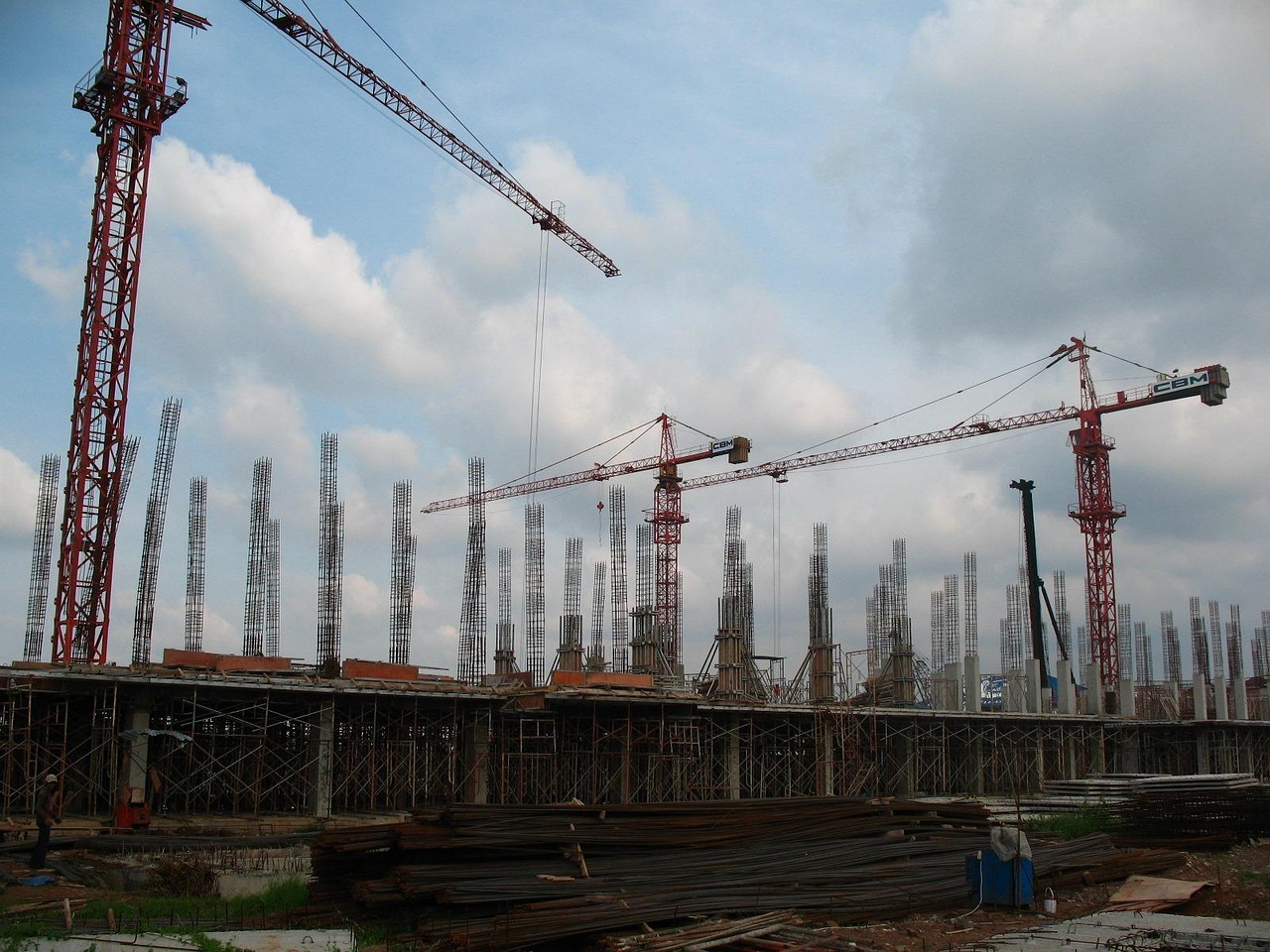
Why can't IT deliver big projects on time like construction?
Construction slips too. Three contract devices explain the gap: a paid design phase, signed change orders with measurement, and one named engineer of record.
Victhor Araújo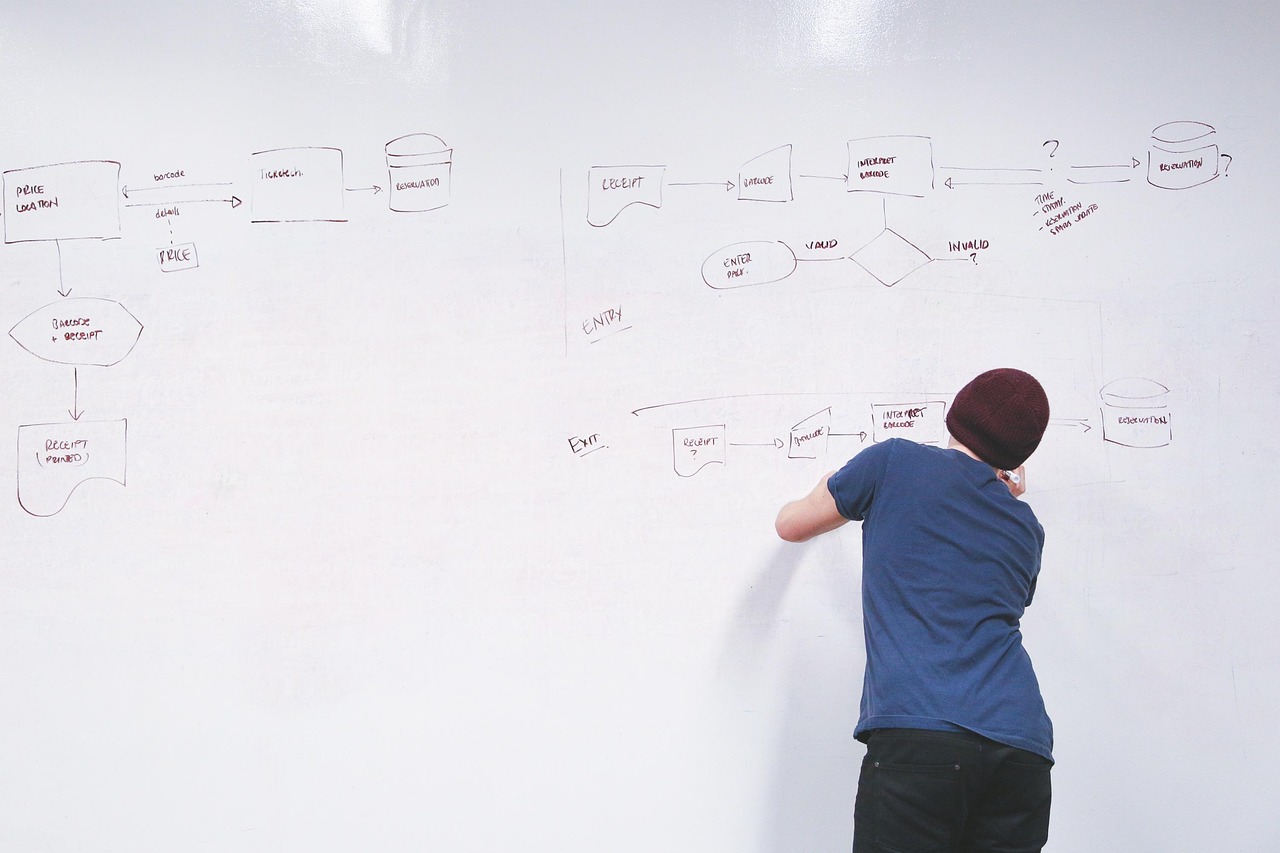
Technical debt you cannot see: measuring cognitive debt
The most expensive technical debt is the rule only one person can explain. A 40 minute test to find that concentration, and what to do once it shows up.
Victhor Araújo
How to respond when you are asked for an estimate
Answer with a range, the part nobody has measured yet, and the date you tighten the number. Why the deadline question fails and what to measure first.
Victhor Araújo
The code that passes the pitch and fails due diligence
I talked to founders who went through technical diligence and watched the term sheet shrink — not over the product, but over the paperwork, the code's ownership, and everything nobody had read with a buyer's eyes. Why the time to fix it is long before the round.
 Raquel Reis
It was fast in the demo. Then the data grew.
At launch the app flew; six months later every screen crawls. It is almost never a server problem, it is code that talks to the database the wrong way. What a senior squad checks before you throw money at bigger infrastructure.
Victhor Araújo
Legacy modernization without a full rewrite: why I almost never approve starting over
A logistics founder called me set on throwing three years of product in the bin and starting over. I spent the whole call talking him out of it. A full rewrite is the decision that looks most like courage and most often turns out expensive, and there is almost always a duller path that ships better.
Victhor Araújo
How much does a dedicated development team cost in 2026?
From $12,000 to $22,000 a month, depending on team composition. That is the pricing Revin publishes on its site. Here I open up the math: what goes into a managed squad monthly fee, what the market charges in 2026, and the three questions that deflate a padded proposal.
Victhor Araújo
I paid for the same feature three times. The money was the least of it
An edtech reached Revin with a three-year-old codebase and seven freelancers behind it. I went looking for one bug and found the same feature built three separate times. The duplication was not the disaster. What it was hiding was.
Victhor Araújo