Inherited spaghetti code: the first 7 days, in order
Inherited spaghetti code from a vendor that left? The order of the first 7 days: what to measure before writing a line, what to freeze, and how it turns into three timelines.
Por Victhor Araújo
Founder of Revin. Engineer by training, specialist in software development and digital products.

Before opening the editor, week one is spent reading what the system actually did yesterday
Inheriting 200K lines of spaghetti code has an order, and it starts nowhere near your editor. Days one and two you measure what the system actually did yesterday: which routes real traffic hit, which jobs ran, which tables anyone wrote to. Day three you try to boot the whole thing on a clean machine and put a stopwatch on it. Day four you read the commit history instead of hunting for documentation. Day five you count how many tests assert anything at all. The last two days you write two lists: what you can already promise, and what you are forbidden to touch.
That second list is the one that matters. No refactoring, no swapping libraries, no "while I'm in here anyway". The only change allowed in week one is the kind that makes the system observable: logs, metrics, alerts. You still have no idea what breaks, and spaghetti code breaks in places that have no visible relationship to the file you opened.
The question "I've inherited 200K lines of spaghetti code, what now?" has been sitting on Stack Exchange since 2012 with a score of 463, 19 answers and north of 200,000 views. Those answers are decent advice for the engineer about to open the editor. They are useless to the person who has to answer the board on Friday. What follows is the order we use on rescue engagements, written for whoever owns the budget conversation.
Days 1 and 2: find out what the system did yesterday, not what it was built to do

Clean-machine setup time is the cheapest health check you will ever run
Code tells you what somebody intended to build. Logs tell you what the business actually runs on. The gap between the two is usually grotesque, and it decides where your next quarter goes.
Four measurements fit in two days and require zero understanding of the codebase:
- Group the last seven days of access logs by route and sort by volume. On almost every rescue that lands here, a handful of routes account for more than 80% of traffic. The rest of the system is a museum.
- Run `select max(updated_at)` on every large table. A table with no writes in two years is dead functionality nobody had the nerve to turn off.
- List everything that runs on a schedule (cron, queue, scheduler) and when. This is where the nightly process nobody documented lives, the one that takes production down when you touch the wrong thing.
- Pull the five most frequent production errors from the last thirty days. If no error tracking is installed, that is your first deliverable, and it takes about two hours.
On one of these reads I found an endpoint being hit 11,000 times a day by a customer whose contract had ended months earlier. Their integration kept calling, our server kept answering, nobody noticed. Turning it off cut roughly 30% of the database bill without touching a single business rule.
This is surveying the structure before you drill into a wall. You do not find the load-bearing column by reading the original drawings, because the drawings changed three times during construction and nobody redrew them.
Day 3: put a stopwatch on setup, on a clean machine
Take a laptop with nothing installed and try to run the system from scratch using only what the repository tells you. Time it, and write down everything that was missing: the environment variable nobody mentioned, the runtime version that only exists on the departed developer's machine, the database dump someone parked in a personal Drive folder.
That number is the cheapest health indicator you will ever get. Forty minutes and three Slack messages means the system is alive. Two days and a dependency on one specific human means you did not inherit a system, you inherited a person. And what you just wrote down is the first honest document the project has ever had, authored by someone who felt the pain.
The exit path deserves the same treatment. I once inherited a 50-minute deploy and called it the best news in the audit, because a slow deploy is plumbing, with a known fix and an estimable timeline. A deploy nobody can reproduce is a different animal.
Day 4: commit history is the only documentation nobody can skip updating
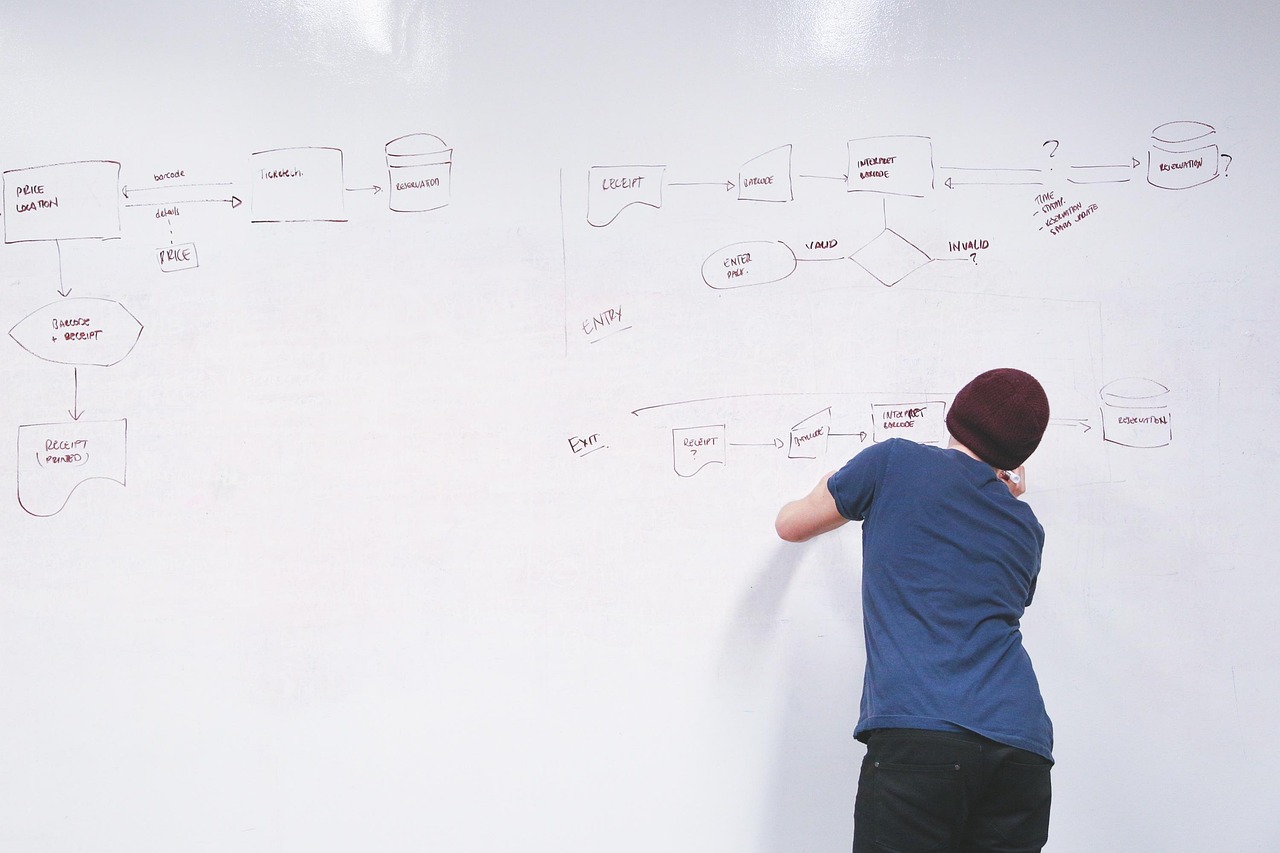
The forbidden-to-touch list is worth more than any refactoring plan on day seven
Docs lie because updating them is optional. Commits do not, because committing is how the code gets in.
The first command I run lists the most-changed files over the last twelve months. The top twenty are the real system: that is where the business changes, where the rules live, where you will spend the year. If a 4,000-line file called `utils` shows up at the top, you already know the rotten patch, and you already know why every small change turns into a week.
Then I look at authorship. When 70% of the last year's commits come from one person and that person left, the risk is not in the code, it is in the calendar. When they come from eight different vendors in eighteen months, the pattern is different: each one solved their slice the way they knew how, and now three distinct ways of hitting the database coexist in one repo. Our audit of 31 broken codebases showed the same numbers repeating, and none of them appear in a static analysis report.
Day 5: count how many tests actually assert something
Test coverage is the easiest number in the industry to fake. I have opened a repository with 92% coverage where a good share of the test files contained not a single assertion. The test called the function, the function did not blow up, the line was marked covered. That is quality theatre: the metric exists, the guarantee does not.
Its twin is monitoring without instrumentation, the famous `/health` that returns 200 because it was written to return 200. The dashboard stays green while the database is down.
On day five you fix none of this. You count. How many test files exist, how many assert, how long the suite takes, how many tests are skipped. That inventory is what later tells you whether review can be partly automated. Tooling handles the obvious, and I have written about how far you can take the human out of code review, but no tool knows which business rule that 2019 `if` statement was protecting.
Days 6 and 7: write down what you are forbidden to touch
The forbidden list is the most valuable artifact of the week, and it is what saves month two. Three lines, each with a written reason:
- The most-changed file in the repo is frozen until tests surround it. That is where the business lives, and any change you make there will be felt by a customer.
- No library, framework or database version swaps this round. Moving MySQL 5 to 8 and moving to Postgres look like the same ticket from the outside. They are not the same timeline and not the same risk.
- No dead code is deleted before you have usage logs. The route that looks abandoned is the one finance runs once a month at close.
What you can do in those two days is the opposite of refactoring: instrument. Structured logs on the five busiest routes, error capture switched on, an alert on the nightly job that fails silently. Additive change, not destructive. Next month it is the difference between diagnosing in an afternoon and guessing for a week.
"That's a week without shipping anything"
Fair objection, usually from someone who has already paid three vendors.
That week ships four things nobody in the company had: a map of what the system actually uses, the clean-machine setup time, the list of files where the business lives, and an honest test inventory. With those in hand, the Friday answer stops being a guess and becomes three separate timelines: how long to stop the visible bleeding, how long to find its source, how long to treat the disease. Days, then weeks, then months of medicine. Anyone quoting a single number is hiding the other two.
There is a side effect that matters to whoever signs the contract: a team that spends week one measuring is a team that will not ask for a rewrite in month three. The rewrite request is the standard move of people who never understood the system and need to hide that behind a new project. Some of what makes it so hard to understand never lived in the code at all, which is why we started measuring cognitive debt separately.
Where this order breaks down
It does not apply to a system that is on fire right now. If checkout is down and the company bleeds revenue by the hour, you invert everything: stop the bleeding first, measure later, and accept that you will work blind for a few days. It also fits badly on a small codebase, say 8,000 or 10,000 lines, where reading all of it takes less time than building the instruments.
Outside those two cases I know of no shortcut. The question to take back to your own company is shorter than this article: if the person with the most commits in your repo resigned this morning, how many days would it take you to find out what they knew?
8 read minutes
Article content:
Ready to elevate your business
Schedule a meeting



AI code review: how far you can take the human out
AI code review approves what a rule can verify. Anything that changes business behaviour still needs a person. Where to draw the line, and the month-14 bill.
 Victhor Araújo
Technical debt from AI coding agents: how to measure the bill
Technical debt written by coding agents never shows up as a bug, it shows up as schedule. Three counts you can run this afternoon, plus what to change in code review.
Victhor Araújo
AI that picks vs AI that writes: where each belongs in your system
Closed decisions (classify, route, validate) call for a model that picks and errors you can count. Free text needs human review. How to decide and test it, with Jev as the case.
Victhor Araújo
Incremental migration vs big-bang: what each one costs your roadmap
Upgrades of the same tech belong in every sprint. A different tech is a project, and even that ships in slices. What each path costs and where the rule breaks.
Victhor Araújo